By Schemes Team | Updated March 2026
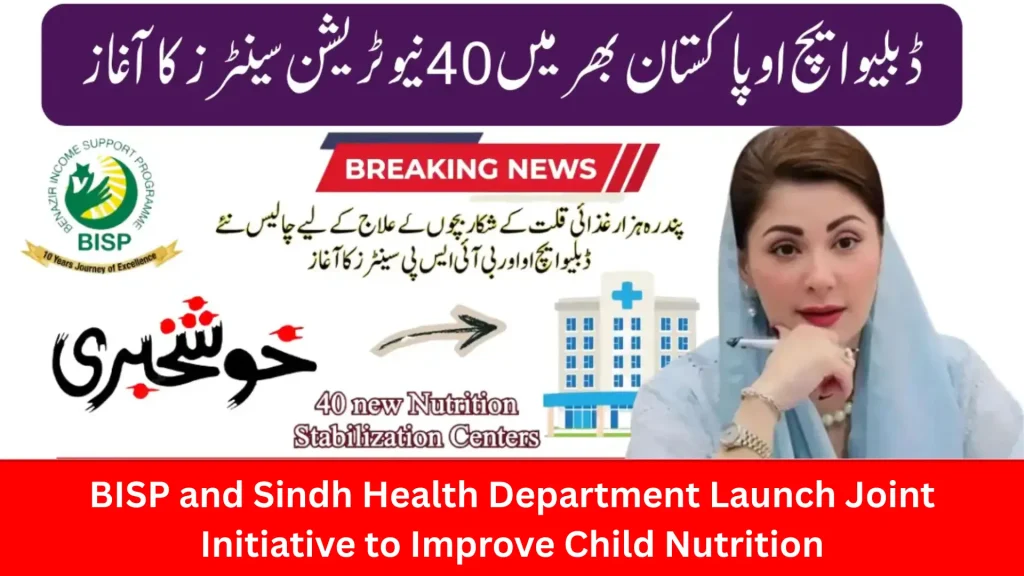
The BISP and Sindh Health Department Joint Initiative 2026 marks a major step forward in addressing child malnutrition in Pakistan. The Benazir Income Support Programme (BISP) has partnered with the Sindh Health Department to improve the health and nutrition of children in vulnerable communities across Sindh.
This landmark collaboration combines financial assistance with healthcare services, creating a comprehensive support system for low-income families. The goal is to tackle the root causes of malnutrition by providing both economic support and medical care.
By linking social protection programs with healthcare services, the government aims to ensure that children receive proper nutrition, regular health monitoring, and essential medical care.
Addressing Child Malnutrition in Sindh
Child malnutrition remains a serious public health challenge in many districts of Sindh. Problems such as stunting (low height for age) and wasting (low weight for height) affect thousands of children, especially in rural and underprivileged communities.
To address this issue, the new initiative introduces a “one-window support system” where families receive:
- Financial assistance
- Nutritional guidance
- Health screenings
- Essential supplements
This integrated model ensures that families not only receive money but also learn how to improve their children’s health through better nutrition and healthcare practices.
Key Objectives of the 2026 Initiative
The partnership between the Benazir Income Support Programme and the Sindh Health Department focuses on several important goals.
Reducing Stunting and Wasting
Health teams will monitor children regularly to detect early signs of malnutrition and provide immediate treatment.
Improving Maternal Health Awareness
Pregnant and lactating mothers will receive education about:
- Prenatal care
- Balanced diets during pregnancy
- Breastfeeding practices
Distribution of Nutritional Supplements
The program will provide essential vitamins and micronutrients to support child growth and development.
Strengthening Community Outreach
Community health workers will visit remote villages to ensure that even families living in hard-to-reach areas receive support.
Role of BISP in Supporting Vulnerable Families
The Benazir Income Support Programme is Pakistan’s largest social protection program, providing financial assistance to millions of low-income households.
Through programs such as the Ehsaas Kafalat Program, eligible families receive regular cash transfers to help meet their basic needs.
In 2026, BISP is expanding its mission beyond financial aid to include health-related support.
Families registered with BISP will now receive guidance on:
Using Financial Aid for Better Nutrition
Beneficiaries will be trained on how to use their assistance payments to purchase nutrient-rich foods, including:
- Milk
- Eggs
- Fruits
- Vegetables
- Protein sources
Vaccination Awareness
Parents will be encouraged to ensure their children receive vaccines according to the provincial immunization schedule.
Hygiene and Sanitation Practices
Education programs will teach families the importance of:
- Clean drinking water
- Handwashing
- Safe food preparation
These practices help prevent illnesses such as diarrhea, which can worsen malnutrition.
Contribution of the Sindh Health Department
While BISP identifies and supports beneficiary families financially, the Sindh Health Department provides the medical and nutritional services needed to improve child health.
The department is deploying trained professionals, including:
- Nutritionists
- Community health workers
- Medical staff
These teams will operate through government healthcare facilities such as Basic Health Units (BHUs) and rural health centers.
Key Health Services Provided Under the Program
The joint initiative includes several healthcare services designed to improve child nutrition.
| Service Category | Action Plan |
|---|---|
| Screening | Regular height and weight checks at local health facilities |
| Supplements | Distribution of therapeutic food and vitamins |
| Education | Nutrition awareness sessions for mothers |
| Monitoring | Digital tracking of child growth and development |
This structured system ensures that children showing signs of malnutrition receive immediate attention.
Ready-to-Use Therapeutic Food (RUTF)
One of the most important components of the initiative is the distribution of Ready-to-Use Therapeutic Food (RUTF).
RUTF is a nutrient-dense food used globally to treat severe acute malnutrition. It contains:
- Peanut paste
- Milk powder
- Vitamins and minerals
- Energy-rich nutrients
Children diagnosed with severe malnutrition will receive RUTF to help them recover quickly and safely.
Digital Monitoring of Child Health
The initiative also introduces a digital monitoring system to track child growth.
Health workers will record data such as:
- Height
- Weight
- Age
- Nutritional status
This information will be stored in a centralized health database managed by the Sindh Health Department.
The digital system allows authorities to identify children at risk and provide early medical intervention.
Strengthening Social Protection and Healthcare
Experts have long argued that social welfare and healthcare programs should work together rather than separately.
Traditionally, government departments operate independently, which can limit the effectiveness of social programs.
This 2026 partnership between the Benazir Income Support Programme and the Sindh Health Department represents a new approach.
By integrating financial assistance with healthcare monitoring, the government can address multiple problems simultaneously.
Real-Time Identification of At-Risk Families
The collaboration allows government agencies to use BISP data to identify vulnerable households quickly.
For example:
- If a child from a BISP-registered family shows signs of malnutrition,
- The health department can immediately intervene.
This real-time coordination ensures that children receive timely medical care and nutritional support.
Long-Term Benefits of the Initiative
The joint program aims to produce long-term improvements in child health and development.
Improved Child Growth
Better nutrition will help children achieve normal growth and development.
Reduced Child Mortality
Early treatment of malnutrition reduces the risk of life-threatening health complications.
Healthier Future Generations
Educating mothers about nutrition and healthcare will benefit future children as well.
Stronger Social Safety System
The partnership strengthens Pakistan’s social protection framework by linking financial aid with health services.
Final Words
The BISP and Sindh Health Department Joint Initiative 2026 represents a significant step toward tackling child malnutrition in Sindh. By combining the financial support of the Benazir Income Support Programme with the medical expertise of the Sindh Health Department, the government has created a powerful strategy to improve the health of vulnerable children.
Through nutrition education, medical monitoring, and targeted financial assistance, this initiative aims to break the cycle of poverty and malnutrition affecting millions of families.
If successfully implemented, the program could become a model for other provinces and significantly improve the well-being of children across Pakistan.